
Nylon is a widely used fabric in activewear, known for its lightweight, durable, and moisture-wicking properties. It's a popular choice for workout clothes, as it helps athletes and fitness enthusiasts stay comfortable during intense activities. Whether it's leggings, sports bras, or jackets, nylon plays a key role in providing both performance and style. Choosing the right fabric for workout clothes can significantly impact your comfort, performance, and the longevity of your gear. As such, understanding how nylon performs in various workout conditions can help you make an informed decision for your next workout wardrobe.
2. What Is Nylon?
Nylon is a synthetic fabric made from polymers, often derived from petrochemical sources. It was first introduced in the 1930s and quickly became known for its lightweight, smooth texture and exceptional durability. Due to its versatility, nylon is used in a wide variety of products, from everyday clothing to industrial and outdoor gear.
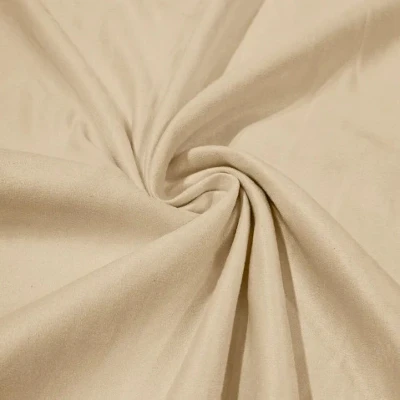
Properties of Nylon
Lightweight: One of the primary reasons nylon is favored for activewear is its lightness. It allows for unrestricted movement, making it ideal for workout clothes.
Moisture-Wicking: Nylon has excellent moisture-wicking abilities, meaning it draws sweat away from the skin, helping you stay dry and comfortable during exercise.
Strength and Durability: Nylon is known for its remarkable strength. It resists wear and tear, making it an excellent choice for fabrics that are subjected to frequent use and washing, such as workout gear.
Quick-Drying: Nylon dries quickly, making it a practical choice for activewear. After a sweaty workout, it helps prevent discomfort from wet fabric sticking to the skin.
Common Uses of Nylon
Nylon's combination of lightness, strength, and moisture-wicking properties makes it a go-to material for a range of applications. It's commonly found in:
Sportswear: From leggings and shorts to sports bras, nylon provides flexibility and comfort for all types of physical activities.
Outdoor Gear: Nylon's durability also makes it ideal for outdoor gear like jackets, backpacks, and tents. Its resistance to wear and weather elements ensures that these items last through tough conditions.
Activewear Accessories: Nylon is also frequently used in accessories like headbands, gym bags, and socks, providing a balance of comfort and functionality.
3. Benefits of Nylon for Working Out
Nylon offers several advantages that make it an excellent choice for workout clothes. Its unique properties help enhance comfort, performance, and longevity, making it a favorite fabric for fitness enthusiasts. Here's a look at the key benefits of nylon for working out:
Lightweight and Breathable
Nylon's lightweight nature helps workout clothes feel less restrictive, allowing for a full range of motion. The fabric is also breathable, enabling air to circulate and keeping you cool during intense workouts. Whether you're doing cardio, weight training, or yoga, nylon's ability to regulate body temperature makes it an ideal choice for activewear.
Moisture-Wicking
One of nylon's standout features is its moisture-wicking ability. This fabric quickly pulls sweat away from the skin, helping you stay dry and comfortable during even the most sweat-intensive exercises, like running, cycling, or HIIT workouts. By keeping moisture off the skin, nylon helps prevent discomfort, chafing, and the feeling of wet, sticky fabric during your workouts.
Durability
Nylon is known for its strength and resistance to abrasion. It holds up well to frequent use, wear, and washing, which makes it a great long-term investment for workout clothes. Unlike some fabrics that lose their shape or fade quickly after repeated use, nylon maintains its integrity, ensuring that your workout gear stays in great condition for longer.
Flexibility and Stretch
Nylon is often blended with materials like spandex or elastane to provide extra stretch. This combination enhances the fabric's flexibility, giving you the freedom to move comfortably during exercises. Whether you're stretching, bending, or performing high-impact movements, nylon-based fabrics offer the flexibility you need for a full range of motion, making it perfect for activities like yoga, pilates, and weightlifting.
4. Is Nylon Suitable for Different Types of Workouts?
Nylon's unique properties make it a versatile fabric, but it's important to consider its suitability for different types of workouts. Depending on the activity, nylon can either enhance or limit your performance. Let's explore how nylon performs in various workout scenarios:
High-Impact Activities
Nylon is an excellent choice for high-intensity workouts like running, cycling, or gym training. Its durability and breathability make it well-suited for activities that demand strength and endurance. The lightweight nature of nylon ensures that your workout clothes won't feel restrictive, while its moisture-wicking properties keep you dry as you break a sweat. Whether you're lifting weights or doing sprints, nylon provides the support and comfort needed for high-impact exercises.
Yoga and Stretching
While nylon does offer some flexibility, it's not as stretchy as other fabrics like spandex or elastane. For exercises that require extreme flexibility, such as yoga or deep stretching, nylon may not be the best choice on its own. Although nylon blends with other fabrics can improve stretch, if maximum flexibility is a priority for you, consider choosing fabrics specifically designed for yoga and stretching, such as spandex-based materials.
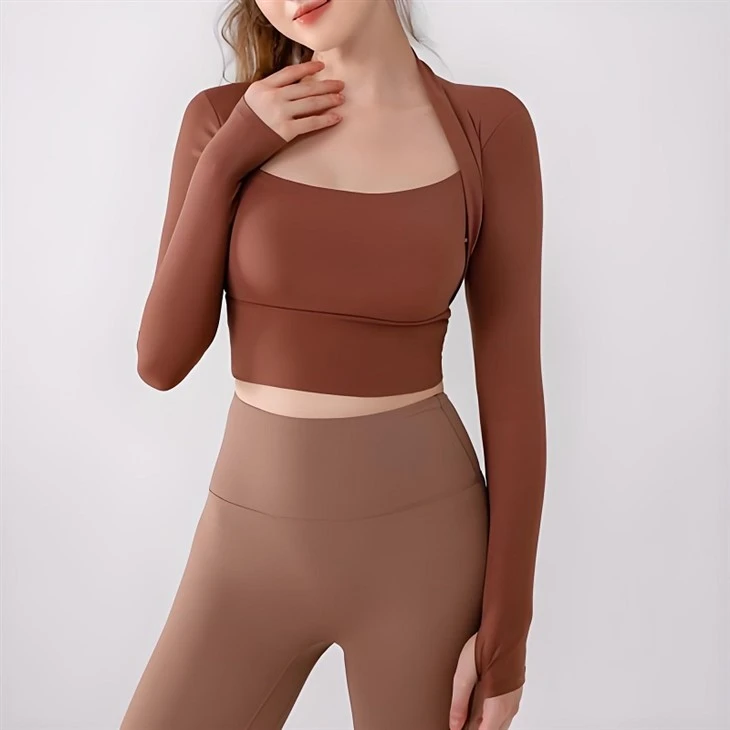
Outdoor Workouts
Nylon's durability and resistance to wear and tear make it ideal for outdoor activities like hiking, trail running, or cycling in varying weather conditions. Nylon can withstand exposure to the elements, including rain and wind, and dries quickly, making it a great choice for outdoor gear. Whether you're heading out for a brisk morning jog or exploring the trails, nylon provides the strength and comfort needed for outdoor adventures.
5. Drawbacks of Nylon for Working Out
While nylon has many benefits, there are some drawbacks to consider when choosing it for workout clothes. Understanding these limitations will help you make a more informed decision based on your specific workout needs.
Not as Soft as Some Fabrics
Although nylon is smooth, it may not feel as soft or comfortable against the skin as natural fabrics like cotton or bamboo. This is especially noticeable during long-duration wear. For individuals who prioritize ultra-soft fabrics for all-day comfort, nylon may not be the best option. While it's suitable for most workouts, if you're sensitive to fabrics rubbing against your skin for extended periods, you may want to opt for something softer.
Lack of Breathability in Some Cases
Nylon is generally breathable, but it can sometimes trap heat, especially if the fabric isn't specifically designed with ventilation features like mesh panels. This can make it less comfortable for prolonged periods in hot and humid conditions. If you're engaging in outdoor workouts or exercise in high temperatures, you might find nylon a bit too warm, as it doesn't always allow for adequate airflow.
Environmental Impact
As a synthetic fabric, nylon is made from petrochemical sources, which means it is not biodegradable. This has an environmental impact, especially when it comes to the lifecycle of the fabric. Unlike natural fibers such as cotton, which decompose over time, nylon can persist in the environment for much longer. For those concerned about sustainability, it's important to consider the environmental footprint of nylon and seek out more eco-friendly alternatives if this is a priority for you.
6. How to Care for Nylon Workout Clothes
To ensure your nylon workout clothes stay in good condition and perform well for a long time, proper care is essential. Here are some tips to help you keep your nylon gear looking and feeling great:
Washing Tips
Nylon fabrics require gentle care to preserve their strength and moisture-wicking properties.
Wash in Cold Water: Always wash your nylon workout clothes in cold water to prevent the fabric from weakening or losing its shape over time.
Use Mild Detergents: Choose a mild detergent that's gentle on the fabric. Harsh detergents can degrade nylon's moisture-wicking abilities and reduce the lifespan of your workout clothes.
Avoid Fabric Softeners: Fabric softeners can coat the fibers of nylon, which interferes with its moisture-wicking properties and can make the fabric less breathable. Skip the fabric softener to ensure your workout gear maintains its performance.
Drying
Nylon is a quick-drying fabric, which makes it convenient for workout clothes. However, to maintain the fabric's integrity:
Air Dry: It's best to air dry your nylon workout clothes. High heat from a dryer can damage the fabric, causing it to lose its elasticity and moisture-wicking ability. Hang your clothes to dry in a well-ventilated area to ensure they retain their shape and functionality.
7. Conclusion: Is Nylon Good for Working Out?
In summary, nylon is a highly versatile and functional fabric for workout clothes. Its lightweight nature, moisture-wicking properties, durability, and flexibility make it an excellent choice for many workout routines. Whether you're running, cycling, or training at the gym, nylon offers the comfort and performance needed to keep you moving with ease.
Final Recommendation: While nylon works great for many activities, it's important to consider your specific workout needs. If your exercise routine requires maximum flexibility, like yoga or deep stretching, you may want to explore other fabrics like spandex. However, for most high-intensity workouts and outdoor activities, nylon remains a solid and reliable choice.