
When it comes to swimwear, the material plays a crucial role in how comfortable, durable, and effective your swimsuit will be. Whether you're lounging at the beach, swimming in a pool, or engaging in water sports, the right fabric can make all the difference. It affects not only the fit and feel but also the overall performance of the swimsuit. Understanding the materials used in swimsuits is essential because it helps you choose the best one for your specific needs. Different activities require different fabrics to ensure comfort, flexibility, and long-lasting wear, so choosing wisely can elevate your overall swimming experience.
2. Common Materials Used in Swimsuits
Swimsuit fabrics vary widely in terms of texture, durability, and performance. Understanding the most common materials will help you select the right fabric based on your needs. Here are some of the top materials used in swimsuits:
Nylon
Explanation: Nylon is a lightweight, stretchy, and quick-drying fabric. It is smooth and comfortable against the skin, making it a popular choice for swimwear.
Benefits: Nylon is durable, resistant to stretching, and provides long-lasting comfort, making it perfect for extended wear.
Use: This fabric is commonly used for both fashion swimsuits and active swimwear, offering a good balance between style and performance.

Spandex (Lycra/Elastane)
Explanation: Bucket
Benefits: Spandex allows for a full range of motion, providing a snug, body-hugging fit. This makes it ideal for active swimmers or those seeking a flattering silhouette.
Use: Often blended with other materials like nylon to enhance flexibility and performance, spandex is widely used in both casual and competitive swimwear.

Polyester
Explanation: Polyester is a strong and resilient fabric that stands out for its resistance to chlorine and UV damage, which makes it especially durable for frequent swimmers.
Benefits: This material holds up well to repeated exposure to chlorine, ensuring longevity, and resists fading from sunlight.
Use: Polyester is an excellent choice for competitive swimwear or swimmers who train regularly, as it can withstand long-term use.
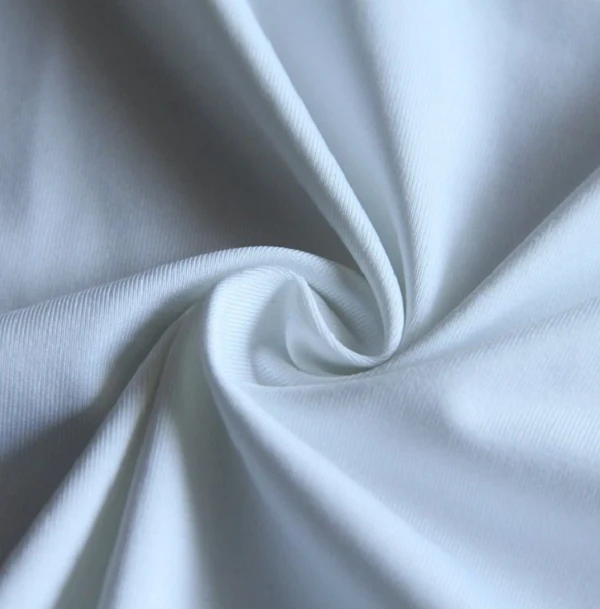
PBT (Polybutylene Terephthalate)
Explanation: PBT is a type of polyester that offers exceptional stretch and shape retention. It is often used in high-performance swimsuits.
Benefits: More resistant to chlorine than regular polyester, PBT ensures a longer lifespan even with frequent exposure to pool chemicals.
Use: PBT is commonly found in professional or competitive swimwear due to its high resistance to chlorine and superior performance.
Microfiber
Explanation: Microfiber is a fine synthetic fabric that is incredibly soft, breathable, and quick-drying.
Benefits: It provides a lightweight, smooth feel and dries faster than traditional fabrics, ensuring maximum comfort.
Use: Microfiber is widely used in fashion swimwear and beachwear, where style and comfort are key priorities.
3. Blended Fabrics for Added Performance
In addition to using single-material fabrics, many swimsuits are made from blends of materials to enhance performance. These blends combine the best qualities of different fabrics, providing a balance of comfort, durability, and flexibility. Here's why blended fabrics are used and some of the most popular combinations:
Why Blends Are Used
Blended fabrics offer multiple advantages by combining the strengths of different materials. For example, a blend of polyester and spandex provides both durability and flexibility, making it ideal for swimmers who need comfort and long-lasting wear. Blends are often used to create a swimsuit that performs better under various conditions, from casual swimming to intense water sports.
Popular Blends
Nylon and Spandex: This blend provides excellent stretch and comfort. Nylon adds durability, while spandex offers a snug fit and flexibility, making it perfect for both active and fashion swimwear.
Polyester and Spandex: Combining the durability of polyester with the elasticity of spandex creates a fabric that can withstand long hours in the pool while maintaining shape and comfort. This blend is common in competitive swimwear.
Polyester and PBT: This high-performance blend is resistant to chlorine and UV damage. It offers exceptional durability, making it perfect for frequent pool use, while also maintaining a sleek fit for swimmers.
Benefits of Blended Fabrics
Stretchability: Blended fabrics often combine materials that allow for more stretch, resulting in a better fit and increased comfort during movement.
Longevity: Swimsuit blends are more resistant to fading, stretching, and wear over time. This makes them ideal for swimmers who need their suits to last, especially those exposed to chlorine or sun regularly.
4. Other Factors That Affect Swimsuit Materials
When choosing the right swimsuit fabric, it's important to consider factors beyond just comfort and fit. Two key features that can significantly impact the performance and longevity of a swimsuit are UV protection and chlorine resistance. Here's how they affect swimsuit materials:
UV Protection
Explanation: Many swimsuits are designed with fabrics that offer UV protection, especially for those who spend long hours under the sun. Fabrics like nylon and polyester are often treated with UV-blocking properties to shield the skin from harmful rays.
Benefits: UV protection helps reduce the risk of sunburn and protects the skin from long-term sun damage. This feature is particularly important for swimmers, beachgoers, or anyone who frequently spends time in the sun.
Chlorine Resistance
Explanation: Swimmers who regularly use pools need fabrics that can withstand exposure to chlorine, which can break down materials over time. Polyester and PBT are well-known for their chlorine-resistant properties, making them perfect for pool swimmers.
Benefits: Fabrics that resist chlorine help ensure your swimsuit lasts longer, even with frequent exposure to pool chemicals. This means your swimsuit maintains its color, elasticity, and overall integrity, even after many swims.
5. Choosing the Right Swimsuit Material for Your Needs
The type of swimsuit material you choose should depend on how you plan to use it. Whether you're swimming for leisure, training for a competition, or lounging at the beach, different fabrics are suited for different activities. Here's a breakdown of the best materials for each scenario:
Leisure Swimming
Material: Nylon, microfiber, or spandex blends.
Why It Works: These fabrics are soft, comfortable, and offer plenty of stretch for casual swimming. They are lightweight and dry quickly, making them ideal for a relaxing swim or beach day.
Benefits: Provides comfort, ease of movement, and stylish designs, perfect for non-competitive use.
Competitive Swimming
Material: Polyester or PBT.
Why It Works: For those who swim regularly for training or competition, durability and chlorine resistance are key. Polyester and PBT are both strong, resilient, and resistant to chlorine, ensuring that your swimsuit lasts longer under tough conditions.
Benefits: These fabrics are built to withstand the repeated wear and tear of rigorous training and frequent pool use, while maintaining performance and fit.
Beach and Fashion Swimsuits
Material: Nylon and microfiber.
Why It Works: Fashion swimsuits prioritize style, comfort, and lightweight fabric. Nylon and microfiber are soft, smooth, and breathable, making them perfect for beach outings or stylish poolside wear.
Benefits: These fabrics provide comfort and ease, ideal for leisurely days at the beach or lounging by the pool.
Active Swimmers/Water Sports
Food: A combination of spandex and nylon.
Why It Works: For swimmers who need more flexibility and durability, such as those who engage in water sports, a blend of spandex and nylon offers the perfect balance of stretch and strength.
Benefits: This combination allows for full range of motion while being tough enough to handle active water activities.
Conclusion: The Best Fabric for Your Next Swimsuit
In this post, we've explored the most common fabrics used in swimsuits, including nylon, spandex, polyester, PBT, and microfiber, and discussed their unique benefits. Whether you're looking for comfort, flexibility, or durability, there's a fabric suited for your needs:
Nylon offers a smooth, comfortable fit for casual swimming.
Spandex provides excellent stretch for a snug, body-hugging fit.
Polyester and PBT are durable, chlorine-resistant options ideal for frequent swimmers or athletes.
Microfiber is soft and breathable, perfect for fashion swimwear.
Final Tip: The key to choosing the right swimsuit fabric is understanding your needs. Whether you're a casual swimmer enjoying the beach or a competitive athlete training for the next big race, selecting the right fabric will ensure both comfort and performance. Choose wisely to get the most out of your swimsuit!